SHOW NOTES
THE LINEUP!
[Click to see the notes]
SEASON 1:
EPISODE 1: Rabbi Leora Ezrachi-Vered
EPISODE 2: Dr. Eyal Fruchter
EPISODE 3: Lesley Sachs
EPISODE 4: Nadav Eylon
EPISODE 5: Uri Feinberg
EPISODE 6: Ronit & Guy Boytner
EPISODE 7: Alon Futterman & Orit Zadikevitch
EPISODE 8: Rabbi Ariella Graetz Bartuv & Raefa Hakroush
EPISODE 9: Rabbi Josh Broide
EPISODE 10: Yochi Rappeport
SEASON 2:
EPISODE 1: Mazal Tazazo
EPISODE 2: Gal Cohen & Alisa Tsudik

EPISODE 1: Rabbi Leora Ezrachi-Vered
Title: "Building a Shared Society in Israel"
Rabbi Leora Ezrachi-Vered shares her experience as the director of "Spirit of the Galilee," an interfaith initiative devoted to bringing together faith leaders from the diverse communities of the Galilee. She discusses her grassroots efforts to foster peace amidst ongoing conflict, the power of music and prayer, and her vision for a shared society. Tune in for a profound exploration of what it means to see the humanity in another. Discover an activism that transcends all boundaries!
Take Action:
-
Follow Spirit of the Galilee on Facebook and Instagram
-
Attend or organize interfaith events in your community
-
Invite "Spirit of the Galilee" leaders to your town
Resources & Links:
Concepts & Values:
B'tzelem Elohim (In the Image of God): This foundational principle drives the “Spirit of the Galilee” organization to recognize the divine spark within all people: Jews, Muslims, Christians, Druze, Buddhists, and Baháʼí.
Darchei Shalom (Ways of Peace): The organization seeks common ground among differing faiths to maintain civil equity and preserve a cohesive, shared society. Rabbi Ezrachi-Vered strives to be a "peacemaker."
Kavanah (Intention): During gatherings, communal singing fosters a shared emotional ‘intention,’ which builds visceral interpersonal trust before complex theological discussions even begin.
Tzedek Tzedek Tirdof (Justice, Justice You Shall Pursue): Pursuing systemic change within Israel requires navigating cultural barriers and institutionalized prejudice against different groups of people.
Re'ut (Fellowship): Real security and coexistence are built from the bottom up by fostering deep, cross-cultural friendships among regional neighbors.
EPISODE 2: Dr. Eyal Fruchter
Title: "The New Science of PTSD Recovery & Resilience"

What does it take to heal when the trauma is ongoing?
Psychiatrist Dr. Eyal Fruchter, one of Israel’s leading experts on trauma, joins the podcast to share the innovative strategies Israel is using to build national resilience. We explore the future of PTSD recovery, including the surprising success of healing farms and neurofeedback computer games. Tune in to discover the science behind post-traumatic growth and learn actionable insights on how to adopt hope as a functional mindset for overcoming life's hardest challenges.
Take Action:
-
Talk openly about mental health with someone you trust: sharing your internal struggles reduces isolation and helps normalize the conversation around mental wellness
-
Spend time in nature this week to reset your nervous system
-
Check in on your own sleep, stress, and recovery habits
-
Take one small step to support a veteran, caregiver, or someone under stress
-
Share this episode with someone who needs hope or encouragement
Resources & Links:
-
PubMed Research by Dr. Talma Hendler & Dr. Eyal Fruchter
-
Healing Farm in Israel: "Alot HaShachar" (meaning "daybreak")
*Need Support? You Are Not Alone!
If you or someone you know is struggling with PTSD, trauma, or a mental health crisis, immediate help is available. These resources are free, confidential, and available 24/7:
-
988 Suicide & Crisis Lifeline: Call or text 988 to speak with a trained counselor.
-
Veterans Crisis Line: Call 988 and press 1, or text 838255 for specialized veteran support.
-
Text Support: Text HOME to 741741 to connect with the Crisis Text Line.
Concepts & Values:
Refuat HaNefesh (Healing of the Soul): Jewish tradition treats mental wounds with the same absolute sanctity as physical injuries.
Menuchat HaNefesh (Tranquility of the Spirit): Utilizing natural farm environments directly fosters the internal quietness required for deep psychological rehabilitation.
Pikuach Nefesh (Saving a Human Life): Dr. Fruchter is a national advocate for mental health and elevates the mandatory commandment of saving lives from an individual duty to a systemic mission.
-Talmud Mishnah Sanhedrin 4:5: “Whoever saves a single life is considered to have saved the whole world.”
Kehillah (Sacred Community): True trauma recovery relies heavily on a supportive, non-judgmental communal ecosystem to reintegrate individuals.
Tikvah (Radical Hope): Jewish tradition frames hope not as passive optimism, but as an active, moral imperative, even during dark times. Dr. Fruchter sees “tikvah” as a mindset we must strive to have.
EPISODE 3: Lesley Sachs
Title: "An Israel Worth Fighting For: The Battle for Religious Pluralism"
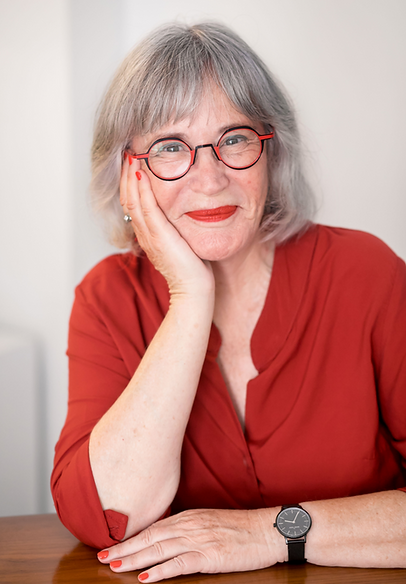
Explore the high-stakes fight for Israeli democracy, equality, and religious freedom!
Prominent activist Lesley Sachs shares deep insights into the internal resistance against government extremism, the impact of October 7th on society, and why diaspora support is more critical than ever.
Inside the Episode:
-
The Knesset Battle: Inside the legislative push threatening religious pluralism.
-
Fighting Segregation: The frontline struggle against higher education segregation and conversion barriers.
-
Societal Shift: How October 7 transformed collective trauma and Israeli activism.
-
The Diaspora’s Role: Why global Jewish solidarity is essential to saving Israel’s democracy.
-
Personal Roots: How Lesley’s history shapes her unwavering commitment to progress.
Take Action:
-
Learn about Israeli legal advocacy campaigns: https://www.irac.org/our-work
Resources & Links:
Concepts & Values:
Kol Yisrael Arevim Zeh Ba'zeh (All Israel is Responsible for One Another): A Talmudic concept which establishes that the Jewish people are inextricably intertwined, meaning every individual shares a mutual obligation for the physical, spiritual, and moral well-being of the entire community.
Klal Yisrael (The Entirety of the Jewish Nation): Challenging state-sanctioned religious monopolies reflects the idea that Israel belongs to all Jews globally, not just a single faction or rabbinate.
Eilu V'eilu Divrei Elohim Chayim (Both These and Those are the Words of the Living God): This Talmudic principle serves as the baseline for religious pluralism, asserting that differing religious practices (Reform, Conservative, and Orthodox) possess equal, divine legitimacy.
Tikkun Olam (Repairing the World): Striving to improve Israel’s internal, civil landscape embodies the obligation to repair fractured societal systems.
EPISODE 4: Nadav Eylon
Title: "Lessons from Israel’s Desert: Perseverance, Purpose, and Pride"

Discover Nadav Eylon, Chief Development Officer of Ruach Arava, and his inspiring journey from Israel to the U.S. and back again. This episode explores Israeli life in the desert and the lessons gleaned there, including: perseverance, accepting challenge, and the strength of community. Nadav speaks about his dedication to service, national security, and strengthening the future generation!
Inside the Episode:
-
Life in the Aravah Desert
-
The Mission and Impact of 'Ruach Arava'
-
The Values we learn from the desert: perseverance, challenge, and community
-
The Internal Struggle of Purpose: Serving the U.S. & Returning to Israel for Military Service
-
The Essence of Community in Israel
-
The Connection Between Diaspora and Israel
-
Nadav's Parting Gift
Resources & Links:
-
The Amazing Story Behind Israel's Desert Farmland Transformation | Insights on TBN Israel
-
Ruach Arava: Visit and Take a Tour of the Land
-
The Song “Ein Li Eretz Acheret" - (I Have No Other Land) by Gali Atari
-
Article: "In the desert, you can be a paramedic, fireman, soldier and cop at once" - The Jerusalem Post
Concepts & Values:
moshav: a type of cooperative agricultural community in Israel where individual families maintain their own households and farms, but cooperate on purchasing, marketing, and community infrastructure.
arvut hadidit - ערבות הדדית (mutual responsibility): Rooted in the concept that "all Jews are responsible for one another", it is a core Jewish value that community members must ensure each other's physical, emotional, and spiritual well-being.
"Ein li eretz acheret” - אין לי ארץ אחרת (I have no other country): This is the title and opening line of a famous Israeli song written by Ehud Manor in 1986 and famously performed by Gali Atari. It conveys that despite the country going through difficult times or experiencing turmoil, the speaker belongs nowhere else and refuses to give up on their home.
EPISODE 5: Uri Feinberg
Title: "See for Yourself: Learning to Hold Complexity"

Join Uri Feinberg, a Jewish Educator and Israel Tour Guide of more than 30 years, as he guides us in how to wrestle with difficult questions instead of running from them. Together, we explore the Israeli-Diaspora relationship, the lasting impact of October 7, and why lifelong learning is essential to a strong Jewish identity. He reminds us that the goal isn't to have all the answers but to keep asking questions!
Inside the Episode:
-
Uri’s story of growing up in Jerusalem and his lifelong commitment to Jewish education
-
Reflections on October 7th's effects on Israeli families
-
The significance of the phrase "Am echad b'lev echad" (We are one people with one heart)
-
The role of collective activism during times of turmoil
-
Common misunderstandings about Israel among the diaspora
-
Antisemitism & Anti-Zionism
-
The importance of wrestling and leaning into nuance in Israel Education
-
The act of collecting hope: a metaphor for ongoing resilience
-
The power of collective memory and personal responsibility in shaping the future
-
Final call: "See for yourself" and make a difference!
Resources & Links:
Concepts & Values:
Yihyeh b'seder (יהיה בסדר): is a common Hebrew phrase meaning "it will be okay" or "everything will be alright". Literally translated, it means "it will be in order." It is used for comfort and reassurance that a bad situation will improve. It is also a famous, cultural motto in Israeli music that shows a relaxed or hopeful attitude toward solving problems, even when things are messy.
Machloket L'shem Shamayim (מחלוקת לשם שמים): Disagreement for the sake of Heaven. Wrestling with difficult questions and embracing complexity rather than demanding certainty. This may be one of the strongest themes of the episode.
Talmud Torah (תלמוד תורה): The value of lifelong learning. Jewish tradition encourages asking questions, seeking understanding, and continually deepening our knowledge rather than settling for easy answers.
Zikaron (זיכרון): Remembrance / Collective memory. Judaism values taking time to remember the past in order to learn from it. We remember not only tragedy but also the resilience and stories that shape our people.
Tikvah (תקווה): Hope. This episode reminds us of the Jewish commitment to finding hope even in the midst of suffering.
Ta Chazi (תָּא חֲזֵי): "Come and see": It is also used in the Zohar, the foundational text of Jewish mysticism and Kabbalah to invite the reader into a deeper, visionary understanding of the Torah.
In the Talmud, the primary text of Jewish civil and ceremonial law, this is often phrased in Aramaic as Ta Shma—"Come and hear": It reminds a student that they are never told to just accept a ruling on its own. They are invited to "come" into the study hall and dissect the logic themselves.
Uri's invitation to "Come see for yourself" echoes a deeply Jewish approach: experience, witness, and learn firsthand before forming conclusions. It reflects the value of seeking truth through encounter rather than relying solely on secondhand narratives.
EPISODE 6: Ronit & Guy Boytner
Title: "The Spirit of Service & Social Action"


In this episode, Ronit and Guy Boytner, whose lives beautifully embody the spirit of service and social action, offer an intimate window into balancing family life with deep civic duty, during one of Israel's most challenging chapters. The Boytners discuss the profound impact of the events of October 7th on their family. They share their harrowing experiences during a time of crisis in Israel, detailing the emotional toll of war on families, and the uncertainty that permeates their lives.
They discuss the importance of hope and the need for change in the government, and the protests advocating for democratic values. Lastly, they speak about the important connection between Israelis and Jews in the Diaspora. Their story highlights the resilience of the human spirit amidst chaos and the desire for a better future for their children and the nation.
Inside the Episode:
-Introduction to the Boytner Family's Journey
-Roots and Values: A Personal History
-Life After October 7th: A Personal Reflection
-Navigating Uncertainty: A Family's Response to Crisis
-The Emotional Toll of War: A Parent's Perspective
-Activism in Action: Fighting for Equality
-Building Community: The New Synagogue Project
-Hope Amidst Chaos: The Future of Israel
-Building Bridges: The Connection Between Israelis and Diaspora Jews
Take Action:
-
Learn about the Reform Movement in Israel
-
Support religious pluralism in Israel through the work of Women of the Wall (Nashot HaKotel) in their ongoing mission to achieve social and legal recognition for the right to pray, read Torah, and wear religious garments at the Western Wall.
-
Visit Kehillat Yozma (Reform Synagogue) in Modi’in, Israel
-
Advocate for a Democratic Israel: Follow and support the work of Artzenu, the International Federation of Reform and Progressive Zionists, to promote pluralism and democracy in Israeli society.
Concepts & Values:
Tikkun Olam (תִּיקּוּן עוֹלָם): repairing the world - This is the ultimate engine behind social action. The Boytner's political advocacy for a democratic society and service in the reserves are examples of taking active responsibility to fix the broken parts of our world.
Shomrei Mishpat (שׁוֹמְרֵי מִשְׁפָּט): Guardians of Justice - The focus on ensuring equality in Israel reflects the prophetic Jewish mandate to pursue institutional justice, equality, and religious fairness.
Ma'asim Tovim (מַעֲשִׂים טוֹבִים): Good Deeds / A Life of Action - In Jewish tradition, a complete life is often summarized by the phrase Torah, Chuppah, u'Ma'asim Tovim (Torah study, family/marriage, and good deeds). The Boytners are a living map of this concept—they are deeply tied to their progressive synagogue community, they are raising three children, and their daily life revolves around continuous action.
“The difficult we do immediately. The impossible takes a little longer.”: a well-known adage widely attributed to David Ben-Gurion, Israel's first prime minister.
Tikvah (תקווה): Hope - also the title of Israel's national anthem "HaTikvah" (The Hope)
EPISODE 7: Alon Futterman & Orit Zadikevitch
Title: "Rebuilding More than Walls"


Learn about Kibbutz Kfar Azza, one of the communities devastated on October 7th, 2023.
Join Alon Futterman, Director of the Kfar Azza Foundation, and Orit Zadikevitch, a Kfar Azza native and Director of Donor Relations, as they discuss the journey to rebuild their community.
Together, they explain why true restoration goes far beyond physical construction. They dive into the delicate balance of honoring a painful past while designing a future home where families can truly thrive. While the visual progress of reconstruction is already inspiring hope, the return of families to Kfar Azza is projected to rise significantly by summer 2027.
Futterman highlights the vital role of global Diaspora partnerships in fueling these long-term recovery efforts, while Zadikevitch shares where she finds personal hope amid tragedy. Ultimately, their resilience, strength, and unwavering perseverance will leave you deeply inspired.
Inside the Episode:
-Introduction to Kfar Azza's Resilience
-Rebuilding Efforts and Community Support
-Honoring the Past While Building the Future
-Personal Stories of Loss and Hope
-Shared Society and Community Values
-Ways to Support Kfar Azza
-Finding Hope in Community Rebuilding
-Words of Wisdom and Closing Thoughts
Take Action:
-
Contribute to the Core Recovery: Visit the Official Rebuild Kfar Azza website. This site safely processes global donations that go straight toward supporting families' physical and mental needs, alongside the ongoing physical rehabilitation of the kibbutz.
-
Follow & Amplify Their Progress: Follow the @kfar.azza.foundation Instagram profile. Amplify their regular updates—such as the recent rebuilding of their informal education complex and community pool—keeping the story alive.
-
Establish a Diaspora "Sister Community" Partnership: If you belong to a synagogue, Jewish Community Center (JCC), or civic organization, challenge them to initiate a long-term partnership with the Kfar Azza Foundation. As Alon Futterman highlighted, global partnerships provide the structural stability needed for the multi-year timeline leading up to the 2027 return.
-
Learn more about the documentary "Saved by the Ball" here: This film is about the Kibbutz Kfar Azza soccer team and the impact of the October 7th on the players. To bring this film to your group, contact the Kfar Azza Foundation.
Concepts & Values:
Kibbutz (קִיבּוּץ): Literally meaning "gathering" or "collective." It refers to the unique Israeli intentional communities traditionally based on agriculture and shared labor, like Kibbutz Kfar Azza.
Kehillah (קְהִלָּה): The word for 'community.' In Jewish thought, a kehillah is not just a collection of individuals or physical homes, but a sacred, interconnected unit responsible for one another's welfare.
Zikaron (זִכָּרוֹן) — 'Remembrance': The delicate balance of honoring a painful past while designing a future aligns with the Jewish approach to history. Judaism demands active memory (Zachor) of tragedy, yet forbids staying paralyzed by grief; remembrance must always serve as a foundation for building life anew.
“Nigdal b’yachad” (נִגְדַּל בְּיַחַד): Orit Zadikevitch shares this phrase meaning: “We will grow together.”
“Kol mah she'bishlitati tov” (כָּל מַה שֶׁבִּשְׁלִיטָתִי טוֹב): Alon Futterman shares this line meaning: “Everything within my control is okay.”
EPISODE 8: Rabbi Ariella Graetz Bartuv & Raefa Hakroush
Title: "Coexistence Isn’t Enough"


Can Jewish and Palestinian neighbors truly see each other in a post-October 7th world?
In this episode, Rabbi Ariella Graetz Bartuv and Raefa Hakrush pull back the curtain on what it really takes to build a shared life in Haifa, Israel. Moving far beyond empty peace slogans, they share how they use education and community organizing to build a genuine, resilient community.
Meet the Guests:
-
Rabbi Ariella Graetz Bartuv: Senior Rabbi of the Ohel Avraham Reform Congregation at the Leo Baeck Education Center in Haifa.
-
Raefa Hakrush: The Head of the Shared Life Department at the Leo Baeck Education Center, she shares her perspective as a Palestinian citizen of Israel and peace activist.
Together, this powerhouse duo leads peace activism at the Leo Baeck Education Center. Tune in for a raw, deeply honest conversation about holding complex identities, navigating the profound pain of a post-October 7 reality, and creating brave spaces where neighbors can speak openly and see the humanity within one another.
Inside the Episode:
-The difference between ‘coexistence’ and ‘shared life’
-A week-in-the-life example shows how peace activism looks in practice
-The Leo Beck Education Center functions as a major mixed city community hub
-They explain why trust has to be created intentionally
-October 7 changed the emotional landscape, but not their commitment
-They reveal the misconceptions of Israeli life
-A story from the community garden becomes a model for their message
-They address the West Bank through a moral and religious lens
-Hope, for both guests, is action
-They close with words about recognition, humanity, and future peace
Take Action:
-
Speak out against settler violence for Palestinians to live peacefully
-
Seek out opportunities to actually know someone whose background or experience is different from your own.
-
Join an interfaith group or ask to visit a house of worship different from your own.
-
Stay in relationship and dialogue when things get difficult.
-
Listen to the song "Salaam" by Mosh Ben Ari & Sheva
Concepts & Values:
B’tzelem Elohim (בְּצֶלֶם אֱלֹהִים) is a Hebrew phrase explaining how every human being is created
"in the image of God." It comes directly from Genesis 1:27, which states that God created humankind in the divine image.
Raefa repeatedly comes back to ‘humanity’ seeing the humanity of the other person, even when their identify, experience, or perspective is different from our own. Seeing another person’s humanity doesn’t erase our own.
Rodef shalom (רוֹדֵף שָׁלוֹם): pursue peace - this concept comes from the writing Pirkei Avot ("Ethics of our Fathers"): “Be among the disciples of Aaron, loving peace and pursuing peace.” The Hebrew word ‘rodef’ is important, as it doesn’t mean simply ‘believing’ in peace, but ‘pursuing’ peace.
Machloket l'shem shamayim (מַחֲלוֹקֶת לְשֵׁם שָׁמַיִם) is a Hebrew phrase meaning "an argument for the sake of heaven". In Jewish tradition, it describes a principled, constructive disagreement where people debate ideas with pure intentions—seeking truth and understanding—rather than fighting for personal ego, power, or victory.
This episode is a beautiful example of why Judaism doesn’t require everyone to think alike.
This fits with Raefa’s line: “My story is true, and your story is true.”
Salaam is an Arabic word that translates to "peace". It is a short form of the greeting "salaam alaikum," which means "peace be upon you", and is used widely as a respectful greeting in Arabic-speaking and Muslim communities.
EPISODE 9: Rabbi Josh Broide
Title: "From Boca to Israel: Building Jewish Unity"

In this episode, Rabbi Josh Broide shares his journey making aliyah from Boca Raton to Israel, exploring what it means to build a life between two countries during a time of war. He opens up about the realities of Israeli resilience, the emotional pull behind his family’s move, and his passion project, Partners in Jewish Life. Inspired by the teachings of Rabbi Lord Jonathan Sacks, Rabbi Broide makes a powerful case for bridging denominational divides, proving that true Jewish strength comes from deep, intentional relationships rather than just institutions.
Inside the Episode:
-Journey to Boca Raton and Making Aliyah
-Living in Two Worlds: Israel and Boca Raton
-Challenges of Making Aliyah during Conflict
-Cultural Differences and Adaptation in Israel
-Passion Projects: Building Community Connections
-Bridging Divides: The Role of Education in Unity
-Strengthening Community Bonds
-The Challenge of Bridging Divides
-Life Changes Post-October 7th
-Finding Hope Amidst Challenges
-The Importance of Relationships in Unity
-A Gift from Pirkei Avot ("Ethics of our Fathers")
Take Action:
-
Learn more about Partners in Jewish Life and start a program near you!
-
Study the teachings of Rabbi Jonathan Sacks with his weekly Torah commentary
-
Join a program through the Shalom Hartman Institute
-
Visit Nefesh B’Nefesh for aliyah resources
-
Explore Gematria, the system of assigning numerical values to letters in a word to find hidden meanings and connections
Concepts & Values:
Aliyah (עֲלִיָּה, meaning "ascent" or "going up"): is the Hebrew term for Jewish immigration to the Land of Israel. Historically and religiously, moving to Jerusalem or the Land of Israel was always viewed as an elevation—moving closer to a spiritual center—regardless of geographic direction.
Today, it describes a Jewish person relocating to Israel from the diaspora (countries outside of Israel), formalized by Israel's Law of Return passed in 1950. Someone who makes aliyah is called an oleh (male, plural olim) or olah (female, plural olot).
Shinuy Makom (שינוי מקום): Literally "changing one’s location." The Talmud teaches that altering one's physical place shifts destiny and spiritual identity.
Chevruta (חברותא): Partnered study. It transforms independent individuals into collaborative pairs who sharpen and build upon each other’s ideas.
From Pikei Avot 1:12: ohev et ha-briot, u'm'karvan laTorah (אוֹהֵב אֶת הַבְּרִיּוֹת): love people
The quote: Hillel said, "Be of the disciples of Aaron: Love peace and pursue peace, love people and bring them close to the Torah."
.הִלֵּל אוֹמֵר, הֱוֵי מִתַּלְמִידָיו שֶׁל אַהֲרֹן, אוֹהֵב שָׁלוֹם וְרוֹדֵף שָׁלוֹם, אוֹהֵב אֶת הַבְּרִיּוֹת, וּמְקָרְבָן לַתּוֹרָה
EPISODE 10: Yochi Rappeport
Title: "Whose Wall is it Anyway?: The Struggle for Religious Pluralism in Israel"

Whose wall is it anyway?
When global Jewry looks toward the Western Wall, we see a symbol of eternal connection—but on the ground in Jerusalem, it is the front line of a fierce battle over who gets to pray freely and how.
In this powerful episode, Yochi Rappeport, the Executive Director of Women of the Wall, shares her remarkable personal journey, from growing up in a traditional Orthodox environment to leading a movement that fights for women’s rights to pray freely at Judaism's holiest site.
She dives deep into the heart-wrenching realities of this struggle, including the systemic harassment faced by women, the collapse of the historic Kotel Agreement, and the crucial difference between Jewish unity and uniformity. More than just a story of conflict, Yochi offers a powerful call to action for Diaspora Jews, showing how global advocacy is vital to securing a truly pluralistic Israel. Tune in for a conversation about the ongoing fight for equality in Israel!
Inside the Episode:
-Introduction to Yochi Rapport and Her Journey
-Women of the Wall: Mission and Challenges
-The Struggle for Equality at the Kotel
-The Kotel Agreement and Its Implications
-The Struggle for Recognition and Rights
-Unity vs. Uniformity in Jewish Identity
-Experiencing Violence and Harassment at the Kotel
-The Impact of Trauma on Daily Life
-Hope Amidst Challenges
-Engagement and Advocacy for Israel
-A Message of Hope and Resilience
Take Action:
-
Learn more about Women of the Wall
-
Shop with meaning and purchase a tallit (prayer shawl), challah cover or prayerbook. All proceeds go to Women of the Wall.
-
Pray along in-person or virtually, from the livestream.
Concepts & Values:
Ha-Kotel (הַכֹּתֶל): Its full official name in Hebrew is HaKotel HaMa'aravi (הַכּוֹתֶל הַמַּעֲרָבִי), which translates literally to "The Western Wall." It is not a wall of the holy Temple building itself. Instead, it was one of the four massive outer retaining walls built by King Herod over 2,000 years ago. Because it was the closest accessible outer wall to the the Holy of Holies—the most sacred, inner chamber of the ancient Temple—it became the place of prayer and pilgrimage for the Jewish people.
Achdut (אַחְדוּת): means 'unity' and comes from the root word for one (echad).
Quote by Dr. Sivan Har-Shefi, a modern, Israeli poet, that Yochi shared:
".זַחַל חוּצָה כְּבִישׁ סוֹאֵן, מַגִּיעַ .נֵס כָּזֶה אֲנִי מְבַקֶּשֶׁת"
Zachal chotzeh kvish so'en, magi'a. Nes kazeh, ani mevakeshet
'A caterpillar crosses a busy/noisy road, arrives. A miracle, like this, I ask for.'
EPISODE 1: Mazal Tazazo
Title: "From Nova Survivor to Global Activist: Mazal Tazazo’s Story"

Listen to the harrowing and inspiring testimony of Mazal Tazazo, a Nova Music Festival survivor and Israeli public diplomacy activist.
In this episode, Mazal shares a firsthand account of surviving the October 7th, 2023 terrorist attack, the heartbreaking loss of her two close friends, and her miraculous escape. She opens up about navigating profound grief, her long journey toward physical and emotional healing, and how she ultimately chose to channel her trauma into global advocacy to ensure the truth is never forgotten.
By listening to this episode, you will be taking part in the sacred act of shmiat edut—hearing testimony—and bearing witness to history.
Inside the Episode:
-Nova Music Festival Experience
-Her Story of Survival and Rescue
-Aftermath and Grief
-Activism and Advocacy
-Personal Healing and Mental Health
-Hope for Unity and Shared Humanity
Take Action:
-
Visit the Nova Festival Memorial Site
-
Take part in the Virtual Reality Experience
-
Visit the October 7th Education Center
-
Listen to the Song “Ahavat HaShem” (Love of God) by Israeli artist Ben Zur
Concepts & Values:
Edut (עֵדוּת): translates to 'testimony,' 'evidence,' or 'witness.' The term is widely invoked in modern contexts—such as Holocaust education—to describe the sacred moral duty of listening to survivor testimonies and carrying their truth forward so it is never forgotten.
Zachor (זָכוֹר): translates to 'remember.' In Jewish thought, memory is never just mental recall; it requires action. In the context of Holocaust remembrance (Yom HaShoah) and modern tragedies like the October 7th attacks, zachor is used as a rally cry. To "remember" means to speak out, bear witness, tell the stories of those who cannot, and actively ensure that history does not repeat itself.
EPISODE 2: Gal Cohen & Alisa Tsudik
Title: "Horses Healing Hearts: The Power of Equine Therapy with Gal Cohen & Alisa Tsudik"


Join Gal Cohen and Alisa Tsudik, from “Lev Hazak,” (The Strong Heart Initiative) in Mishmeret, Israel, to explore how they are providing vital emotional and psychological support to IDF soldiers, reservists, and families, impacted by the ongoing conflict in Israel.
This initiative harnesses the unique and transformative power of equine therapy to address the ongoing war trauma. Gal and Alisa share the profound science behind their work, explaining how horses naturally mirror human emotions and act as catalysts for unlocking closed hearts.
The conversation dives into the neurological impacts of PTSD and reveals how building a connection with these intuitive animals can help foster recovery. Ultimately, this powerful dialogue is a testament to human resilience, demonstrating how a "strong heart" is one that can endure immense pain while remaining open to hope, connection, and even joy during difficult times.
Inside the Episode:
-Introduction to Strong Heart Initiative
-Personal Stories and the Impact of War
-The Science Behind Equine Therapy
-Real-Life Transformations Through Horses
-The Team Behind the Healing
-The Ongoing Impact of War on Mental Health
-Challenges in Supporting Others
-Working with Families and Children
-Support from the Diaspora
-Finding Joy Amidst Struggles
-What is a Strong Heart
Resources:
-
Learn more about "Lev Hazak" (The Strong Heart Initiative)
-
Read about the current research (by Dr. Yuval Neria) on Equine-Therapy for PTSD
Concepts & Values:
Shamati (שָׁמַעְתִּי): literally translates to "I heard" or "I have listened." Responding with "shamati" serves as a tool to acknowledge another person's perspective completely without immediately offering a counterargument. It signifies that you have validated their words.
Lev Chazak (לֵב חָזָק): literally translates to "strong heart."
Chosen (חֹסֶן): literally translates to "resilience." It is the capacity to recover quickly from difficulties. In Israel, the mental health crisis centers set up across the country to handle trauma are called Merkazei Chosen (Resilience Centers).
Otef Aza (עוטף): most commonly refers to the Gaza Envelope, the region in Israel composed of the communities surrounding the Gaza Strip that were heavily impacted on October 7, 2023.
Eretz Yisrael Ha-yafah (ארץ ישראל היפה): translates to "the beautiful land of Israel." It is a powerful socio-cultural idiom used to describe the idealized, noble, and altruistic side of Israeli society. It evokes a sense of nostalgia for a pioneering, community-driven spirit and represents several core values: mutual responsibility/volunteering, environmental protection of land and nature, and shared national purpose.